



Streamlining The Back End
Mark O'Neil - Increasingly important to dealerships are the back end profits from the sale of aftermarket products...

“Maximizing the back end” has been a mantra for dealers over the last several years. Using menu selling strategies takes dealers part of the way to the profits they need. Electronically connecting dealers to aftermarket providers – just as dealers already are connected to financing sources – is the next step in revolutionizing the F&I process.
Streamlining the End of the Back End
Increasingly important to dealerships are the back end profits from the sale of aftermarket products such as vehicle service contracts, GAP, security systems, paint and fabric sealants, and other aftermarket coverage products. However, until now, the more aftermarket products dealers sold the more potential grief a dealership had to deal with on the “back end” of the aftermarket product sales process. Based on conversations with dealers and aftermarket providers, about 30 percent of aftermarket vehicle service contracts require some type of manual follow-up to correct errors. The most frequent problems include:
Rating errors or misquoting the product – due to misclassification or, too often, using rates copied from out-of-date manuals.
Ineligibility – transactions that don’t meet the eligibility parameters for a given product.
Overlooked surcharges – resulting from increasingly complex plans and rate charts.
Simple data entry errors – generally made late at night after a busy sales day or at month-end.
If this isn’t aggravating enough, the sheer volume of paperwork itself can be an obstacle to getting things right the first time and moving on to the next deal.
While the errors may seem relatively small, the consequences can be significant. Dealers who undercharge customers for aftermarket products are on the hook for the difference. Adding to the difficulty is the lag time between selling to customers and finalizing the contract, which can stretch to 45 days or more. Too many dealers have experienced the drop in customer satisfaction that occurs when customers drive off the lot after purchasing aftermarket products – such as wheel protection or a service contract – then return a few days later with a problem covered by the contract, only to learn the contract has not been processed.
Innovative dealers have been looking for a way to make aftermarket sales and contracting intelligent, fast, accurate and secure – a network through which dealers can electronically connect to their preferred aftermarket providers, similar to the network they already use to connect to their preferred financing sources.
Features of this aftermarket network include:
Seamless integration of the entire aftermarket process – from selling to contracting.
Real-time access to accurate quotes, eligibility and rates for products from a dealer’s aftermarket providers.
Quick online creation and printing of contracts ready for a signature, complete with final data.
Online submission of contracts for products from participating aftermarket providers.
Easier month-end remittance and cash flow management.
The key is making the process fit seamlessly with both the current dealership workflow and F&I systems.
Higher Profits, Lower Risk and Greater Visibility
Automating the aftermarket contracting process promises tangible benefits for dealers. Electronic rating of insurance and other products will drastically reduce errors by delivering accurate, real-time quotes from the service provider for all types of vehicles and products. Driving profitability and CSI, accurate numbers and verification of eligibility help to limit chargebacks and avoid re-contracting situations.
When dealers combine the aftermarket network with menu selling techniques, owners and general managers can get unprecedented visibility into sales performance, real-time reporting on aftermarket presentation performance, product penetration, gross-per-unit and profit.
Win–Win–Win for the Industry
What’s in it for aftermarket providers and agents? Fewer errors and electronic processing of contracts reduce administrative costs and allow easy remittance. Additionally, because dealers typically have excellent relationships with their providers and independent agents, the aftermarket network will ensure those relationships remain strong. Instead of rehashing the number of contracts sold, the amount owed or the accuracy of paperwork, dealers and providers will be able to collaborate on ways to sell more products and make more money.
Further, agents accustomed to helping out with paperwork after busy sales days will appreciate the extra time they have available to consult with dealership staff on ways to sell more products – and even achieve more bundle sales.
So it really is a win–win–win for the industry because of the tangible benefits for dealers, aftermarket providers, agents and, ultimately, customers.
What’s In It for You?
Higher profit – by increasing the speed, accuracy and efficiency of the aftermarket contract process and by avoiding contract errors that you normally would have to absorb.
Higher CSI – by tightening the aftermarket process so customers can move to the part of the sales experience they enjoy the most: taking delivery.
Greater insight into your cash-flow – by removing the complication and hassle out of the month-end remittance process. Vol 3, Issue 11
More Fixed Ops
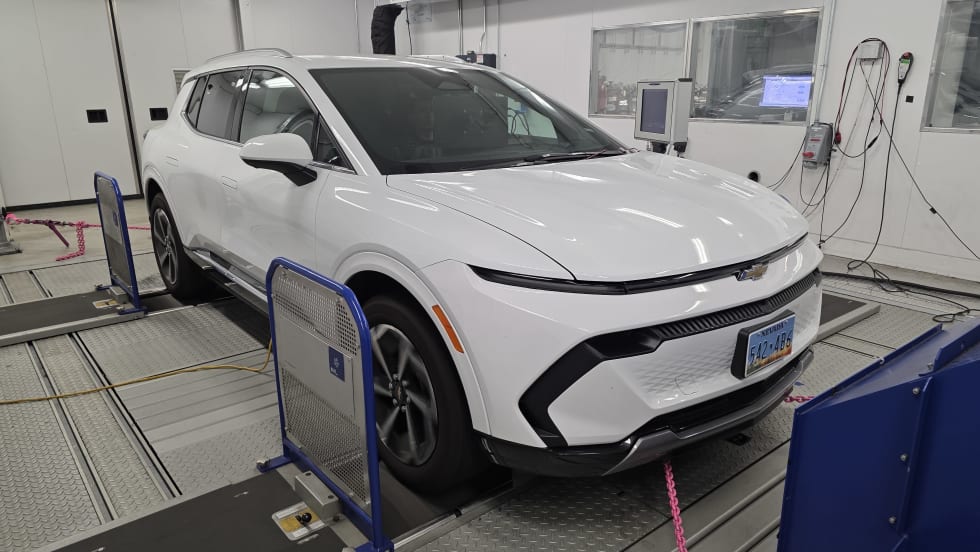
Extreme Temps Hinder EV Efficiency
American consumers might be happy to know that their preferred hybrids are slightly less impacted by extreme temperatures than fully electric vehicles, according to a new study.
Read More →
Ban on Air Bag Inflators by Chinese Maker Proposed
NHTSA blames 10 deaths and two serious injuries on what its investigators believe were illegally imported air bag inflators. It’s taking public comments before deciding whether to ban them outright.
Read More →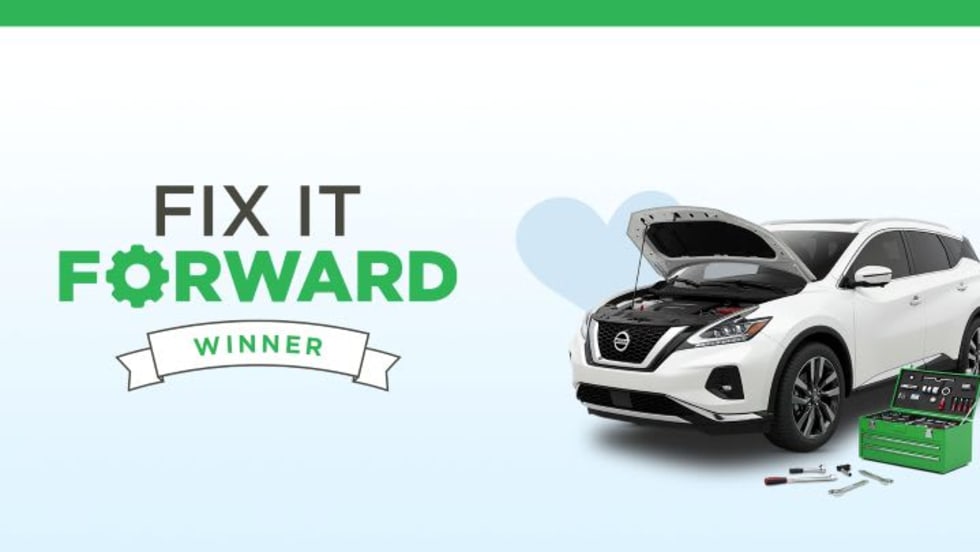
Fix It Forward Program Helps Man Regain Mobility
Albuquerque consumer who suffered a life-changing injury regains the use of his vehicle after Fiesta Volkswagen's service team shared his story with DOWC Cares.
Read More →
ASE Connects Partners With Worldpac to Build Technician Numbers
The collaboration is intended to help auto dealerships, automakers and after-market shops further develop the technician pipeline.
Read More →
Not as Tickled With Tires
U.S. consumers are finding less satisfaction with the rubber that meets their roads, though their loyalty to tire brands has lately inched up.
Read More →
Auto Recalls Sank Last Year
2025 Sedgwick data indicate that the number of vehicles affected fell to its lowest point in more than a decade.
Read More →
ASE Winter Registration Now Open
The deadline to register for the industry standard certification testing is March 31.
Read More →
U.S. Drivers Overdue for Major Services
Data shows dealers have ample opportunity ahead of the holiday travel season.
Read More →
Auto Dealers Losing Service Customers
Study finds that though overall service drive revenue is up, loyalty is eroding
Read More →
Jeeps Can Catch Fire
Hundreds of thousands recalled, some for second time, to address battery flaw
Read More →