



Best Practices in Credit Reporting Coding In Disaster Scenarios
Expert shares important credit reporting resources and guidelines to help industry professionals navigate through this unprecedented climate.
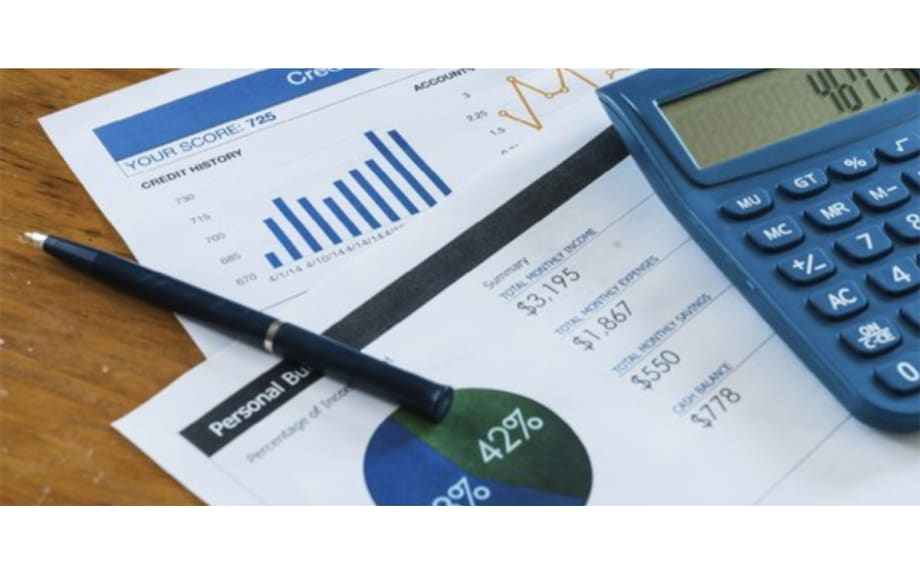
Expert shares important credit reporting resources and guidelines to help industry professionals navigate through this unprecedented climate.
Image by PABRADYPHOTO via GettyImages.com
Given the unprecedented climate that has taken place resulting from the COVID-19 outbreak and containment efforts, we have received a large number of questions in regards to how this event impacts credit reporting, particularly given the recent support from the lending community around payment deferrals, loan modifications, etc. We wanted to share some important resources and guidelines from the Consumer Data Industry Association (CDIA) to help industry professionals navigate through these important days and weeks ahead.
The automotive industry is currently rallying in support of one another to help everyone across the value chain – dealers, lenders, OEMs, and service providers alike.
You must remember that the credit reporting industry has long had codes in place to assist consumers impacted by a natural or declared disaster or other financial hardship. The industry strongly encourages lenders and creditors, also known as “data furnishers,” to work with their customers to take full advantage of these codes and report these codes to the credit reporting agencies (CRAs). The leading score modelers, VantageScore and FICO, treat these codes as neutral, so there should be no negative scoring impact on consumers who are reported to the CRAs with these codes.
Specific Codes Apply to Certain Consumers
There are specific codes linked to certain accounts that are emphasized in any disaster-type situation, such as the current pandemic, and it is important that lenders and creditors understand the distinctions and characteristics for each. For quick reference, customers listed with an account code “58” are affected by a natural disaster, whereas customers with an account code “45” have an account in forbearance.
If lenders report using the recommended FAQ 58 or FAQ 45 guidance and report special comment AW or CP, consumers' credit scores may be affected differently.
Forbearance Versus Deferred Payment
VantageScore and FICO note that forbearance and deferred payment scenarios have a neutral impact on a consumer's credit score, so consumers in one of these programs, as reported to the nationwide credit bureaus, should have no negative impact as a result of COVID-19.
FICO noted: “The placement and reporting of an account in forbearance or a deferred payment plan in and of itself does not negatively impact a FICO score. VantageScore makes clear that ‘[a] loan placed in a deferred payment or forbearance plan will not result in a negative impact.’ The same is true for a natural disaster coding: ‘[t]he net impact is that a consumer's VantageScore credit score will not go down, either because negative information is neutralized because of the natural disaster.’”
The automotive industry is currently rallying in support of one another to help everyone across the value chain – dealers, lenders, OEMs, and service providers alike. The unexpected circumstances surrounding the current pandemic has forced employees and customers to stay in their homes, drastically reducing showroom traffic and transactions.
Jennifer “Jenn” Reid is vice president – automotive marketing and strategy leader at U.S. Information Solutions (USIS) at Equifax. Reid is responsible for the development of Equifax’s automotive growth strategies, as well as overseeing specific marketing plans and initiatives.
Originally posted on F&I and Showroom
More Fixed Ops
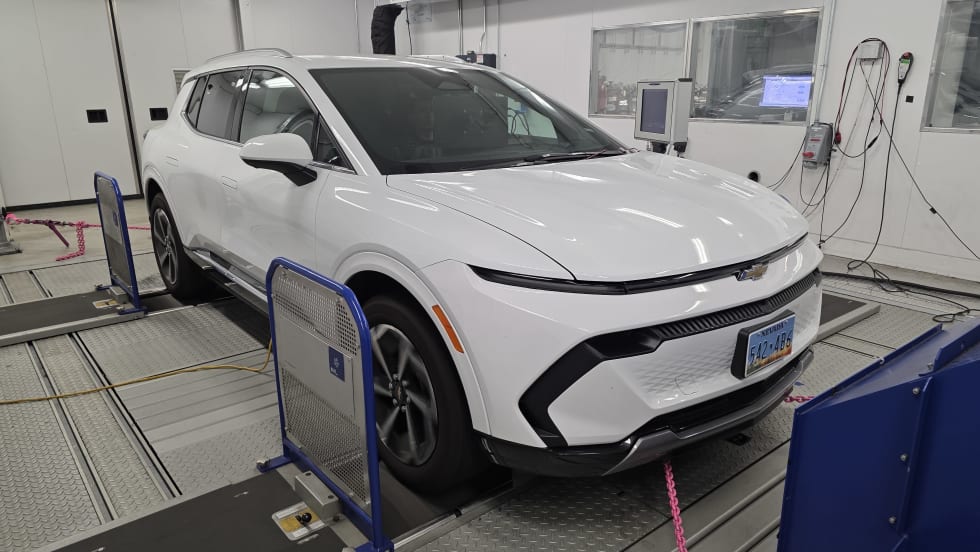
Extreme Temps Hinder EV Efficiency
American consumers might be happy to know that their preferred hybrids are slightly less impacted by extreme temperatures than fully electric vehicles, according to a new study.
Read More →
Ban on Air Bag Inflators by Chinese Maker Proposed
NHTSA blames 10 deaths and two serious injuries on what its investigators believe were illegally imported air bag inflators. It’s taking public comments before deciding whether to ban them outright.
Read More →
Fix It Forward Program Helps Man Regain Mobility
Albuquerque consumer who suffered a life-changing injury regains the use of his vehicle after Fiesta Volkswagen's service team shared his story with DOWC Cares.
Read More →
ASE Connects Partners With Worldpac to Build Technician Numbers
The collaboration is intended to help auto dealerships, automakers and after-market shops further develop the technician pipeline.
Read More →
Not as Tickled With Tires
U.S. consumers are finding less satisfaction with the rubber that meets their roads, though their loyalty to tire brands has lately inched up.
Read More →
Auto Recalls Sank Last Year
2025 Sedgwick data indicate that the number of vehicles affected fell to its lowest point in more than a decade.
Read More →
ASE Winter Registration Now Open
The deadline to register for the industry standard certification testing is March 31.
Read More →
U.S. Drivers Overdue for Major Services
Data shows dealers have ample opportunity ahead of the holiday travel season.
Read More →
Auto Dealers Losing Service Customers
Study finds that though overall service drive revenue is up, loyalty is eroding
Read More →
Jeeps Can Catch Fire
Hundreds of thousands recalled, some for second time, to address battery flaw
Read More →