



AEB Systems More Common But Could Be Better
Safety groups says many automakers now include such systems in most light vehicles.

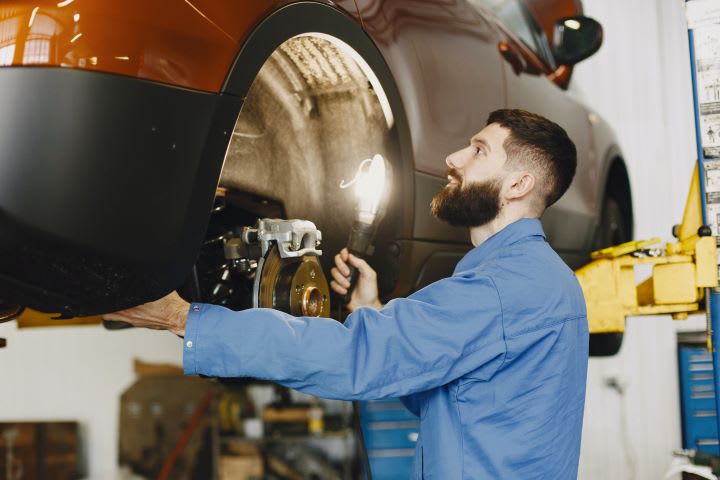
IIHS says front crash-prevention systems aren’t as effective in collisions with motorcycles and large trucks as with cars.
IMAGE: Pexels/Gustavo Fring
Nearly two dozen automakers have started to include automatic emergency braking in most light vehicles they make for U.S. consumers, though a safety group that helped forge the agreement says front crash-prevention systems could be improved.
The nonprofit Insurance Institute for Highway Safety said 20 vehicle producers met a voluntary commitment to equip new vehicles with the technology, installing it in 95% of the light vehicles they made by the year ended Aug. 31.
The fulfillment met the deadline of an agreement made in 2016 by the automakers that was brokered by the institute and federal safety regulator the National Highway Traffic Safety Administration. Consumer Reports monitored progress.
“Car buyers today will find that almost any new vehicle they buy comes standard with a city-speed AEB system, typically with pedestrian detection. This is significant progress, and it sets the stage for the strong federal safety standards that have been proposed,” said Consumer Reports Associate Director of Safety Policy William Wallace in a statement.
The pledge required automakers to install AEB on 95% of their light vehicles up to 8,500 pounds that slows the vehicle in low-speed tests that determine whether a model meets the institute’s advanced rating in a front crash-prevention evaluation.
This year, the NHTSA proposed that all new passenger vehicles with gross weight of 10,000 pounds or less have AEB that can avoid crashes at up to 50 mph.
The institute, meanwhile, says front crash-prevention systems aren’t as effective in collisions with motorcycles and large trucks as with cars. It says they cut rear-end crashes with the former vehicle types by 41% and 38%, respectively, but by 53% with cars.
“These reductions are impressive for all vehicle types, but the safety benefits could be even larger if front crash prevention systems were as good at mitigating and preventing crashes with big trucks and motorcycles as they are with cars,” said institute Vice President of Research Jessica Cicchino.
More Fixed Ops
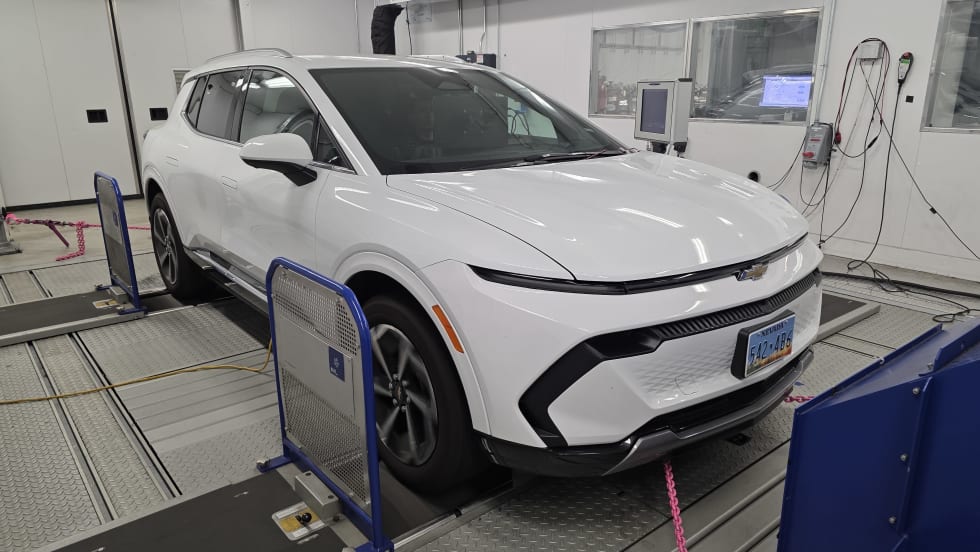
Extreme Temps Hinder EV Efficiency
American consumers might be happy to know that their preferred hybrids are slightly less impacted by extreme temperatures than fully electric vehicles, according to a new study.
Read More →
Ban on Air Bag Inflators by Chinese Maker Proposed
NHTSA blames 10 deaths and two serious injuries on what its investigators believe were illegally imported air bag inflators. It’s taking public comments before deciding whether to ban them outright.
Read More →
Fix It Forward Program Helps Man Regain Mobility
Albuquerque consumer who suffered a life-changing injury regains the use of his vehicle after Fiesta Volkswagen's service team shared his story with DOWC Cares.
Read More →
ASE Connects Partners With Worldpac to Build Technician Numbers
The collaboration is intended to help auto dealerships, automakers and after-market shops further develop the technician pipeline.
Read More →
Not as Tickled With Tires
U.S. consumers are finding less satisfaction with the rubber that meets their roads, though their loyalty to tire brands has lately inched up.
Read More →
Auto Recalls Sank Last Year
2025 Sedgwick data indicate that the number of vehicles affected fell to its lowest point in more than a decade.
Read More →
ASE Winter Registration Now Open
The deadline to register for the industry standard certification testing is March 31.
Read More →
U.S. Drivers Overdue for Major Services
Data shows dealers have ample opportunity ahead of the holiday travel season.
Read More →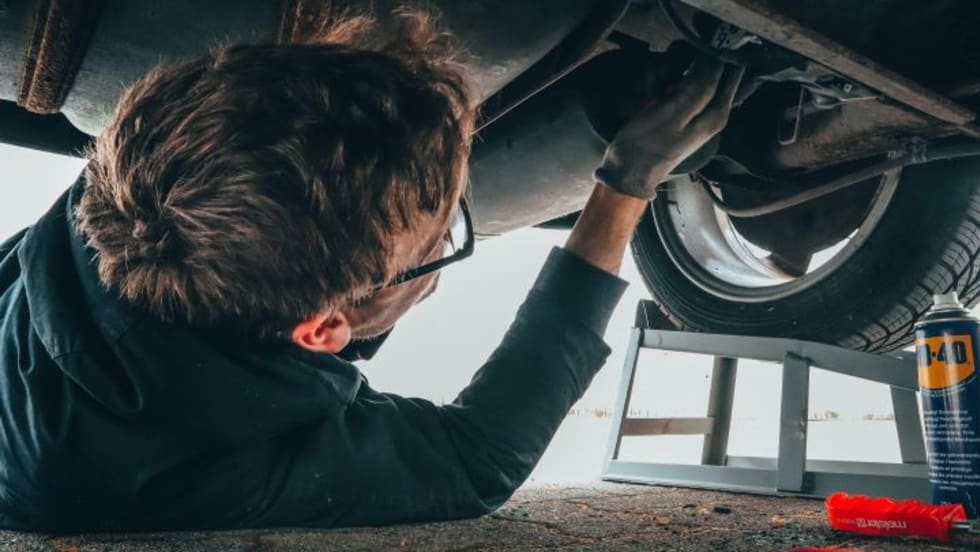
Auto Dealers Losing Service Customers
Study finds that though overall service drive revenue is up, loyalty is eroding
Read More →
Jeeps Can Catch Fire
Hundreds of thousands recalled, some for second time, to address battery flaw
Read More →