



How to Perfectly Manage Your Cash Flow in the Auto Industry
The "this is the way we've always done it" mindset infects every industry, and auto dealerships are not immune. Using PO systems and getting rid of checks is not a new idea, but it's been surprisingly slow to catch on.

The "this is the way we've always done it" mindset infects every industry, and auto dealerships are not immune. Using PO systems and getting rid of checks is not a new idea, but it's been surprisingly slow to catch on.
IMAGE: Getty Images
I grew up in the car business. My grandfather had GM, Oldsmobile, Chevrolet, and Ford dealerships. Then Cadillac, GMC trucks, and Chrysler dealerships joined the roster under my dad's watch. I worked in almost every department of my family's dealerships, but eventually, I gravitated toward the accounting office. I became my dad's controller, and that's where I discovered the importance of purchase orders (POs).
I'll never forget the day my dad came back from a large meeting and reported that everyone at the meeting was complaining about business expenses being out of control. Then, he had me create fictitious invoices from our parts department and send them to all the group members. Every member sent us a check to pay the phony invoice for which they had not received any goods or services.
How did they miss that detail? The group members believed that they were controlling expenses by signing every check personally. That's right; these successful business owners were trying to keep all their expenditures straight with no approval process. Of course, my dad handed the checks back at the next meeting, but not without a speech advocating for the use of PO systems in their businesses.
Mission Not Accomplished
I've been inside more than 1,000 dealerships during my career in the industry. I worked with all shapes and sizes, and I can say that the experiment my dad did years ago would probably still work today. I'd wager that about two-thirds of dealerships are paying for items or services that are not legit. But there are those few dealerships making effective use of a PO system.
When I use the term “effective PO system,” I mean using a PO for every single expenditure. Dealerships are most likely using POs in the parts department, but rarely are they issuing them before work is done on vehicles in the sales department. In the back office at the same dealership, they most certainly are allowing people to go out to big-box stores and spend money with no approval. The lack of consistency in using PO systems can seriously cost a business.
What Gives?
Hand signing the checks is still the prevailing method of attempting to control costs. It's no more effective today than it was 30 years ago. In today's environment, not using an automated purchase order system keeps dealerships from implementing other digitization initiatives, including digitizing payments. Dealers will implement technology in the variable and fixed operations but rarely update technology in the back accounting office.
The "this is the way we've always done it" mindset infects every industry, and auto dealerships are not immune. Most automotive retail dealers typically come up through sales as it's the most common path to leadership in an automotive dealership. There are also academy's that train the in other profitable areas of the dealership. Unfortunately, the accounting department is typically not income-producing, so it doesn't get as much attention.
Goodbye to the Mess
There are two ways to increase revenue in a dealership — sell more and spend less. With online-only dealerships nipping at our heels, we must question the way we've always done everything. If we want to compete with online dealerships, we must optimize spending.
An automated PO system saves time. It's not an extra step — it's work handled on the front-end rather than the back end of the payment process.
If you do the extra step of coordinating purchase orders at the beginning of your outgoing payments process, you can have greater control over expenditures. The first step in implementing a PO system is to set the vendor up and validate that they're a real and valid business. This one added element can help stop fraud. It likely would have prevented people from paying out fake invoices.
End-to-End Digitization
I recently talked with a mid-size dealership that told me that six different people touched each check before it was mailed out. This list included the executive who finally signed the check. Think about that for a second — six different people handled one vendor payment.
Now think about this same payment if it was all done with technology. If the original invoice expenditure was set up with an electronic purchase order by a valid dealership employee, the dealer would already know that this was an approved payment without signing a check. The AP clerk could then schedule the payment and send it for electronic approval without chasing five other people before mailing it.
With POs and payments automated, you can refocus the six people touching that check on another initiative. There are many other things people could do if they weren't busy doing those manual paper processes, like fine-tuning cash management or negotiating better contracts.
It's more apparent than ever that the auto dealership of the future will not be one where people are pushing paper. Using PO systems and getting rid of checks is not a new idea, but it's been surprisingly slow to catch on. All it takes is someone who sees the vision for the future. If you can focus your organization on the result, you don't have to have a passion for purchase orders; you just need a passion for progress.
Kyle Rauzi is the director of automotive sales at Nvoicepay, a Fleetcor company. She has over 17 years of dealership experience as a controller/office manager for single point and multi‐franchised dealers, and 18 years of experience working for the largest dealer management system provider in North America.
Originally posted on F&I and Showroom
More Fixed Ops
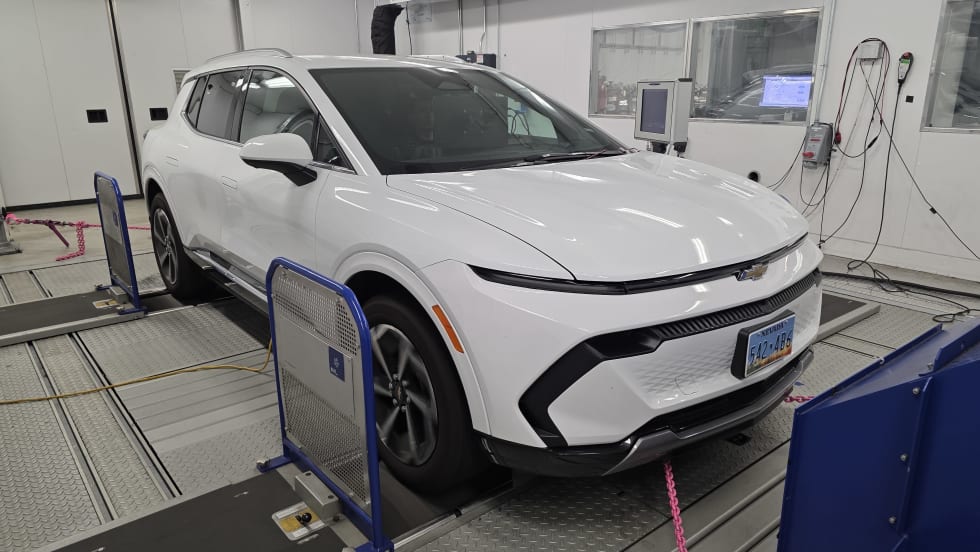
Extreme Temps Hinder EV Efficiency
American consumers might be happy to know that their preferred hybrids are slightly less impacted by extreme temperatures than fully electric vehicles, according to a new study.
Read More →
Ban on Air Bag Inflators by Chinese Maker Proposed
NHTSA blames 10 deaths and two serious injuries on what its investigators believe were illegally imported air bag inflators. It’s taking public comments before deciding whether to ban them outright.
Read More →
Fix It Forward Program Helps Man Regain Mobility
Albuquerque consumer who suffered a life-changing injury regains the use of his vehicle after Fiesta Volkswagen's service team shared his story with DOWC Cares.
Read More →
ASE Connects Partners With Worldpac to Build Technician Numbers
The collaboration is intended to help auto dealerships, automakers and after-market shops further develop the technician pipeline.
Read More →
Not as Tickled With Tires
U.S. consumers are finding less satisfaction with the rubber that meets their roads, though their loyalty to tire brands has lately inched up.
Read More →
Auto Recalls Sank Last Year
2025 Sedgwick data indicate that the number of vehicles affected fell to its lowest point in more than a decade.
Read More →
ASE Winter Registration Now Open
The deadline to register for the industry standard certification testing is March 31.
Read More →
U.S. Drivers Overdue for Major Services
Data shows dealers have ample opportunity ahead of the holiday travel season.
Read More →
Auto Dealers Losing Service Customers
Study finds that though overall service drive revenue is up, loyalty is eroding
Read More →
Jeeps Can Catch Fire
Hundreds of thousands recalled, some for second time, to address battery flaw
Read More →