



Pilot Program Meant to Improve Roadway Safety
Honda and the Ohio Department of Transportation achieved highly accurate results with their pilot project the Honda Proactive Roadway Maintenance System that concluded this year.

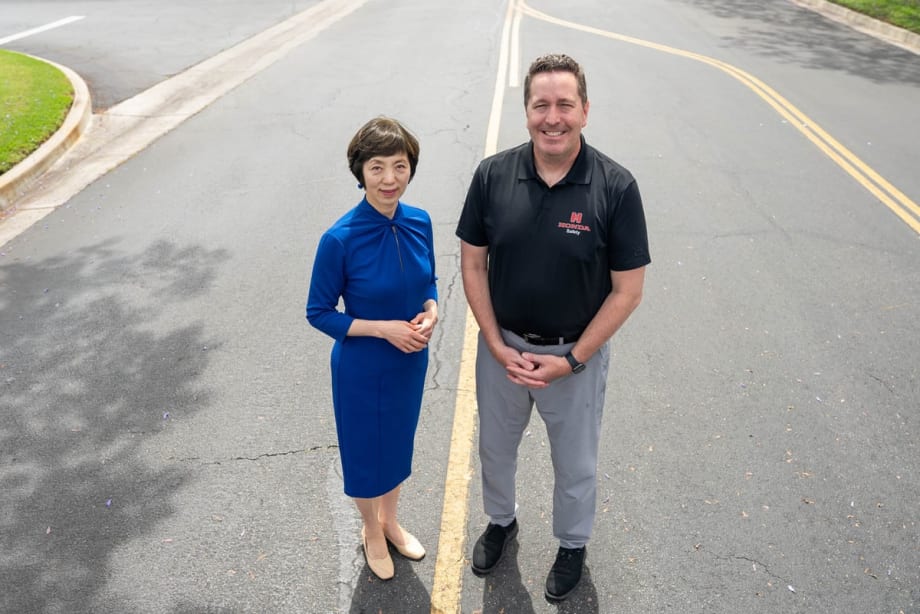
Honda chief engineer Sue Bai and director of Safety Strategy Brian Bautsch recently held a conversation about the potential future of the roadway safety system.
Honda
- Honda collaborated with the Ohio Department of Transportation on a pilot project for road safety improvements.
- The project, called the Honda Proactive Roadway Maintenance System, concluded this year.
- The initiative achieved highly accurate results in enhancing roadway safety.
*Summarized by AI
A roadway safety pilot project led by Honda and the Ohio Department of Transportation (ODOT) produced positive results, and the automaker is hopeful that other states and manufacturers will join the initiative to create safer roads.
The Honda Proactive Roadway Maintenance System used real-time vehicle-generated data to detect and report road deficiencies. ODOT team members drove Honda test vehicles across approximately 3,000 miles of roads in central and southeastern Ohio under a wide range of real-world conditions including rural and urban environments, various weather conditions and different times of the day. The test vehicles were equipped with advanced vision and LiDAR sensors that monitored the road conditions like road signs, guardrails and potholes.
Honda said that the results were highly accurate with a 99% accuracy detecting damaged or obstructed signs, 93% accuracy for damaged guardrails and 89% average accuracy for potholes.
“When deficiencies were detected, AI-processed data flowed automatically to ODOT dashboards, where work orders were generated and prioritized by the severity of the issue — without a crew needing to drive around to look for problems,” said Honda chief engineer Sue Bai.
“Our project team estimates that scaled deployment could save ODOT more than $4.5 million a year!”
More importantly, the system could produce better safety outcomes for drivers as well as the people performing road work, Bai said. With the system detecting the damage, the risk of manual inspections diminishes.
According to the director of Safety Strategy for Honda Brian Bautsch, the automaker is in active conversations with other states about expanding the system to their transportation departments.
“We can imagine other manufacturers with similar safety and driver assistance technologies in their vehicles joining this effort in the future,” said Bai.
Honda isn't the only company with a pilot program detecting road hazards. Autonomous vehicle company Waymo partnered with navigation provider Waze to detect and provide up-to-date information on potholes where Waymo operates.
The data will be visible to Waze users, as well as cities and state transportation departments alongside user-reported pothole information. And Waze application users will be able to verify the Waymo-reported potholes, which the companies say will increase the data's accuracy.
The pilot program will launch in the San Francisco Bay, Los Angeles, Phoenix, Austin and Atlanta metro areas with the intention to expand to more cities.
More Industry
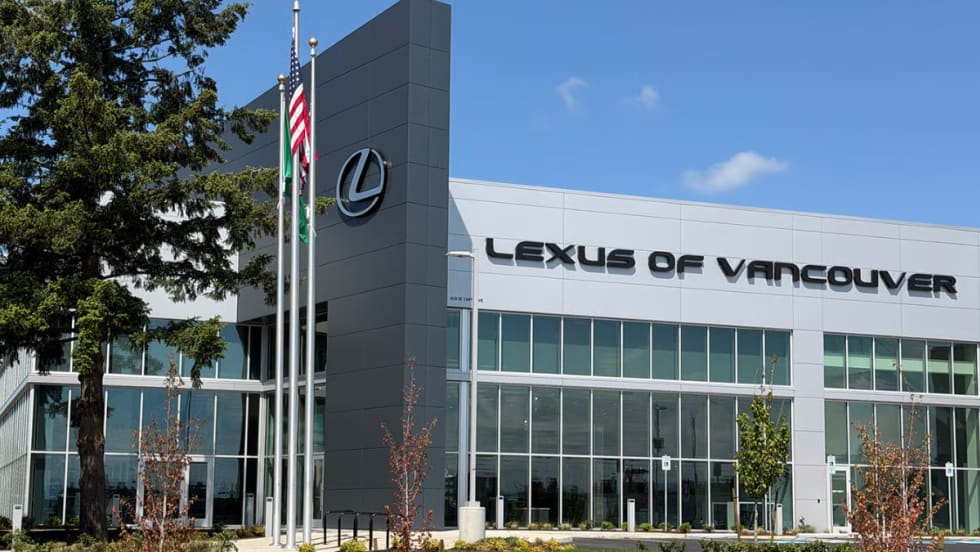
Holman Opens New Lexus Dealership
Located in the heart of Clark County, Lexus of Vancouver features a multi-level showroom, more than 30 service bays, an indoor drive for drop-off and pick-up and a fleet of courtesy vehicles.
Read More →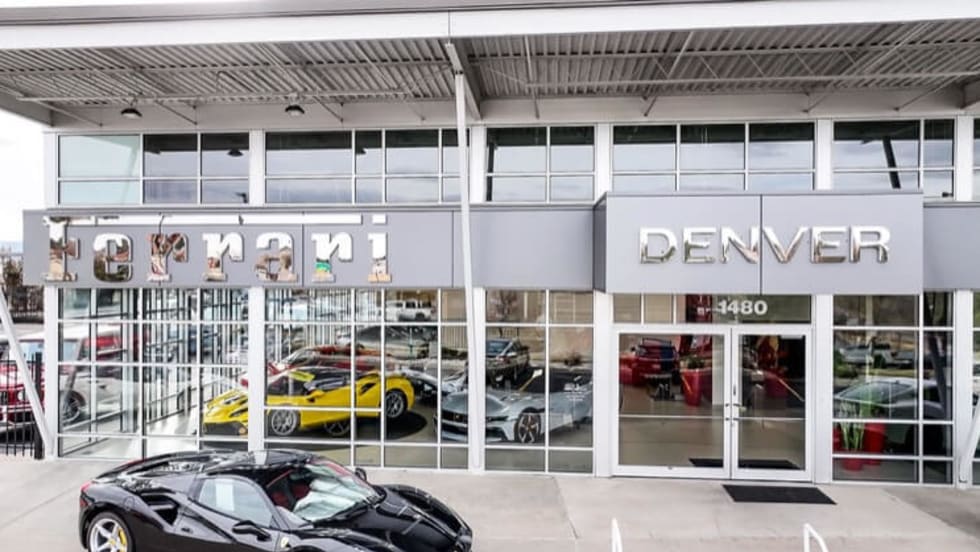
Denver Ferrari Store in New Group
The recent sale of the dealership by Lithia adds to an expanding stable for a family-owned collection of franchises.
Read More →
Nissan Reports Significant Sales Growth
Following the release of Nissan’s 2025 fiscal year report, the automaker announced that its retail-first approach has led to a significant jump in dealer sales.
Read More →
Dealer Debrief: Effective Safety Features
In this week's debrief, host Lauren Lawrence covers a positive safety study from GM and the University of Michigan Transportation Research Institute and a business acquisition by Cox Automotive.
Read More →
Recalled Autos Spike in Q1
The volume of affected units continued to rise as more software-focused models present different types of problems, creating complex risk, Sedgwick reports.
Read More →
Program Brings Wheels to Families in Need
NADA is taking Vehicles for Change’s Keys to Independence Program national so auto dealers can help families in need gain access to reliable transportation.
Read More →
EFG Aims to Help Dealers Face Rising Reinsurance Volatility
Rising claims severity, higher repair costs and delayed reserve adjustments are putting new pressure on auto dealerships' reinsurance programs.
Read More →
Hybrids in Focus
Another automaker announces plans to dedicate more resources in the U.S. to the now popular power train as it also looks to minimize trade tariff costs.
Read More →
IIHS Adds to Safety Rankings
A midsize Hyundai and a small Toyota have joined the nonprofit's 2026 Top Safety Pick+ award rankings, thanks to improved crash test results and crash-prevention measures.
Read More →
Dealer Debrief: FTC and Pricing
In this week's debrief, host Lauren Lawrence covers long loan terms, the FTC's crackdown on pricing, and disaster prep for dealerships.
Read More →