



Mind the GAP: Wells Fargo Faces New Charges
Wells Fargo has once again found itself under regulatory scrutiny following an internal review and external inquiry that may have uncovered funds owed to car buyers who purchased GAP and paid their loans off early.



San Francisco-based Wells Fargo may have added unpaid GAP refunds to its list of regulatory woes. Photo by Davide D’Amico
SAN FRANCISCO — On the heels of an announcement that Wells Fargo will begin issuing refunds to more than half a million customers affected by issues related to sales of collateral protection insurance (CPI), the company now faces charges of failing to properly compensate car buyers who purchased guaranteed asset protection (GAP) coverage through Wells Fargo Dealer Services and paid their loans off ahead of schedule.
The GAP issue appears to have been raised in the course of an external inquiry ordered by the Federal Reserve Bank of San Francisco, where Wells Fargo is based. In a statement sent to The New York Times, however, spokeswoman Jennifer Temple said the company “discovered issues related to a lack of oversight and controls” during an internal review.
“We are reviewing our practices and actively working with our dealers and have already begun making improvements to the GAP refund process,” Temple’s statement read, in part. “If we find customer impacts, we will make customers whole.”
Wells Fargo’s directors also mentioned the GAP issue in the company’s most recent quarterly financial statement, referring to “certain issues related to the unused portion of guaranteed auto protection waiver or insurance agreements … which may result in refunds to customers in certain states.” Nine states require insurance providers to return unused insurance funds to customers: Alabama, Colorado, Indiana, Iowa, Maryland, Massachusetts, Oklahoma, Oregon and South Carolina.
The company’s plans to remediate affected purchasers of CPI policies were announced last week. In a statement posted to Well Fargo’s website, Franklin Codel, the executive who leads the company’s consumer lending division and, by extension, Wells Fargo Dealer Services, alluded to a companywide culture change in announcing the CPI remediation plan.
“In the fall of last year, our CEO and our entire leadership team committed to build a better bank and be transparent about those efforts,” Codel said, explaining that the CPI issue was uncovered by the company's own analysts. “Our actions over the past year show we are acting on this commitment.”
After reviewing CPI policies sold between 2012 and 2017, Wells Fargo identified about 570,000 car buyers who “may have been impacted” and determined that $64 million in cash remediation and $16 million worth of account adjustments would have to be performed. It is not known whether or how many customers will be owed compensation as a result of the company’s review of its GAP program.
Originally posted on F&I and Showroom
More Compliance

Dealer Ads and the FTC
The agency has made it clear in recent enforcement actions and warnings, in auto retail and other industries, that advertised prices must include all nonoptional costs to the consumer.
Read More →
AAMS Training and Mosaic Compliance Services Merge
The strategic combination is intended to expand technology-driven compliance solutions for the automotive industry.
Read More →
The Jurisprudence of Pricing
Legal concept helps makes sense of California’s recently passed version of the failed federal CARS legislation.
Read More →
Trump 2.0 and Enforcement Priorities
The upshot is don’t relax, because regulation indeed continues.
Read More →
June Is Automotive Service Professionals Month
Observance is opportunity to thank technicians for their crucial role in auto retail.
Read More →
Cox Automotive Releases Compliance Guide
New edition walks auto dealers through relevant regulations for 2025.
Read More →
Trump 2.0 and Retail Automotive
Administration’s plans should generally bode well for the industry.
Read More →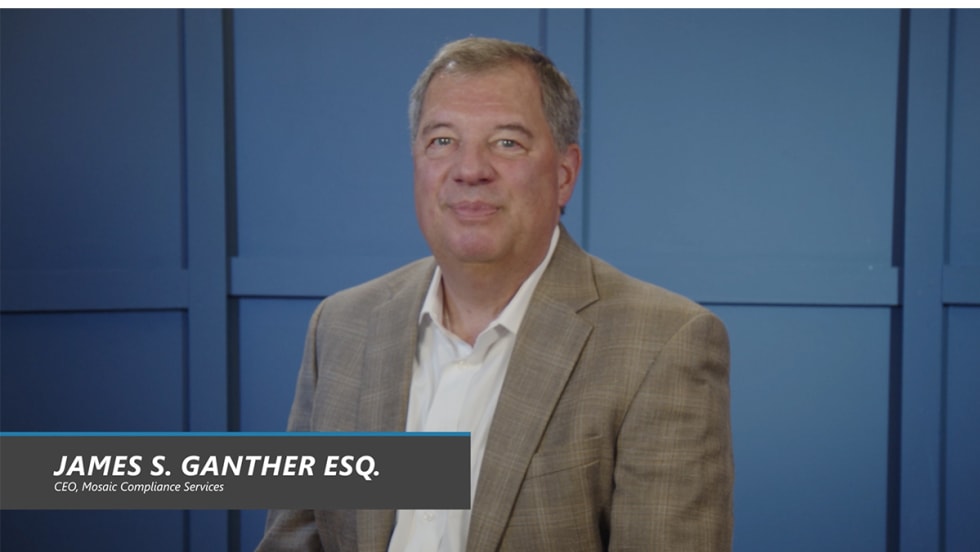
CARS Rule Update: 5th Circuit Oral Arguments Recap
In this video, Jim Ganther of Mosaic Compliance Services, recaps the key takeaways from the oral arguments in the critical CARS Rule case, including potential outcomes and what dealers should do to stay ahead of compliance changes.
Read More →
State of the CARS Rule, Part 3
The players in the automotive industry should coordinate their responses to this pending regulation.
Read More →
The Future of Car Dealer Documents
Where forms, documents, agreements and contracts could be in 50 years.
Read More →