



Luxury German Brands Dip in 2022
Make up for some lost sales in Q4 with help of electric push.

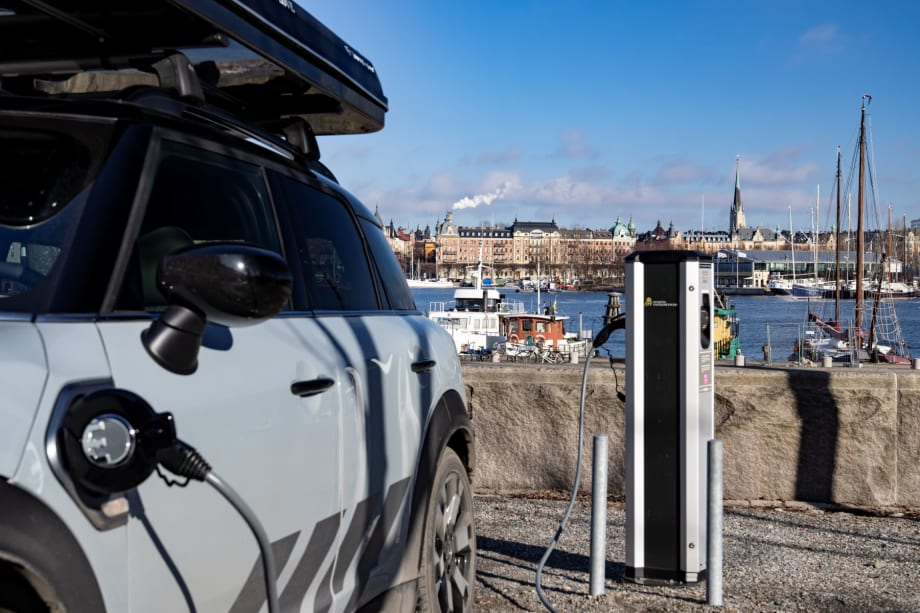
2022 sales of BMW's electrified MINI climbed 14.3%, making up 21% of MINI deliveries.
IMAGE: BMW Group
Mercedes sales dropped 1% last year to 2.05 million vehicles, behind German luxury automaker rival BMW, which delivered 2.4 million, down nearly 5%, as both battled chip shortages, supply bottlenecks, pandemic lockdowns in China, and the war in Ukraine.
In North America, both automakers posted strong fourth quarters. Mercedes sales rose 17% on the continent, while BMW’s increased 9.4%. Full-year sales at Mercedes were up 3%, while BMW’s dropped 1.3%.
Worldwide, both brands reported surges in battery-electric vehicle sales to buoy their bottom lines, more than doubling that share of their deliveries. BMW Group said it sold nearly 216,000 fully electric vehilces during the year, and Mercedes 117,800 BEVs.
“We are confident we can build on this success in 2023, as we continue to see particularly high order intake for our fully-electric models,” said Pieter Nata, a member of the BMW AG Board of Management responsible for customer, brands and sales, in a statement.
Mercedes said its plug-in hybrid electric and battery-electric models made up 15% of retail sales “on its way towards an all-electric future.” It plans to have an all-electric lineup by the end of the decade and announced plans for its own vehicle-charging network of more than 10,000 chargers around the world.
BMW said it’s optimistic about 2023 sales.
“The clear focus will be on continuing to ramp up electromobility,” Nata said. “The next milestone for 2023 is for 15% of our total sales to come from fully-electric vehicles. With the launch of the BMW i5 later this year, we are taking another important step on the road to electrifying our model lineup.”
More Dealer Ops

Ladies and Gentlemen, This Is a Dealership: Why the Fundamentals Still Decide Who Wins
A teaching moment by a legendary football coach happens to apply perfectly in the auto retail space. Learn what it is and how to use it to your store’s advantage.
Read More →
Timing the Market Can Hurt Long-Term Program Performance
For dealer-owned reinsurance entities, avoiding volatility entirely can mean falling behind inflation and missing market rebounds that drive long term surplus growth. Missing just a handful of strong market days can materially impact cumulative returns—an important reminder for long horizon trust and investment strategies.
Read More →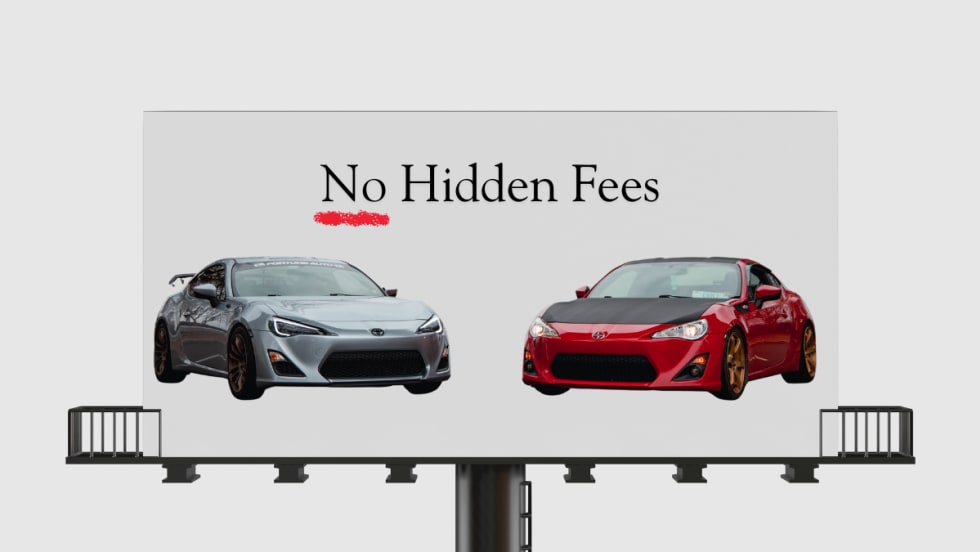
Dealer Ads and the FTC
The agency has made it clear in recent enforcement actions and warnings, in auto retail and other industries, that advertised prices must include all nonoptional costs to the consumer.
Read More →
Used Autos Supply Dwindles
The March shopping surge, despite high prices, cut into inventory by the most since the thick of the pandemic, Cox Automotive analysts calculated.
Read More →
Managing Risk Effectively Through Changing Times
The variables influencing risk pricing have changed significantly over the past five years. Being proactive and responsive to emerging trends is not optional but essential.
Read More →
Survey Reveals What Won't Fix What's Breaking Car Sales
AutoPayPlus says extra-long auto loans are trapping consumers and threatening the dealer trade-in cycle, and that the industry is leveraging the wrong tools to combat high MSRPs.
Read More →
IA American Appoints Two Execs
Senior vice presidents of the company's agent and dealer channels chosen to support general agents and help auto dealers with sales and performance.
Read More →
Cox Automotive Acquires Inspection Firm
Full ownership of Alliance Inspection Management, or AiM, meant to unlock growth for Manheim inspection capabilities
Read More →
Assurant Expands Partnership With Holman
Extended collaboration delivers training, products and performance development to 30 newly acquired Holman dealerships
Read More →
Franchises, Throughput Down in First Half
A handful of states see franchise growth through June, while EV sales per store boost overall business in U.S.
Read More →