



In-Vehicle AI Predicted to Spike
Frost & Sullivan expects a $238 billion market opportunity for the technology in automobiles by 2030 as AI applications shift to more mass-market applications.


The report indicates a fundamental shift in automotive AI from a cloud-centric, luxury-focused implementation to a mass-market, in-vehicle edge execution.
Canva
A new report by growth consulting and research firm Frost & Sullivan forecasts that in-vehicle artificial intelligence will reach a $238 billion market opportunity by 2030, a sharp rise from the current $43 billion in 2025.
The report, sponsored by technology provider Sonatus, said that the findings indicate a fundamental shift in automotive AI from a cloud-centric, luxury-focused implementation to a mass-market, in-vehicle edge execution, meaning AI run locally on interior hardware. The shift results from the “convergence of centralized compute platforms, an abundance of vehicle data and consumer demand for personalization,” according to the report.
“AI at the edge is reshaping the fundamentals of the automotive industry, moving from isolated use cases to a central role in how vehicles are designed, operated, and monetized,” said Ajit Chander Swaminathan, associate partner head of mobility Americas at Frost & Sullivan.
The firm found that certain AI-driven innovations play big roles in how automakers are moving forward: prognostics, in-vehicle AI companions, battery-management systems, and sensor virtualization. It said that advancements in centralized compute platforms, over-the-air updates and adaptive, as well as personalized, intelligence are becoming essential due to rising energy costs, stricter regulation, increasing security requirements, and escalating warranty and recall expenses.
“Intelligence is the new horsepower. It’s no longer enough for vehicles to collect data; they need to act on it in real time,” said Sanjay Khatri, head of product marketing at Sonatus.
Frost predicts that the transformation will bring energy-efficiency gains, warranty cost reductions and battery depletion reduction for the automotive industry.
More Industry
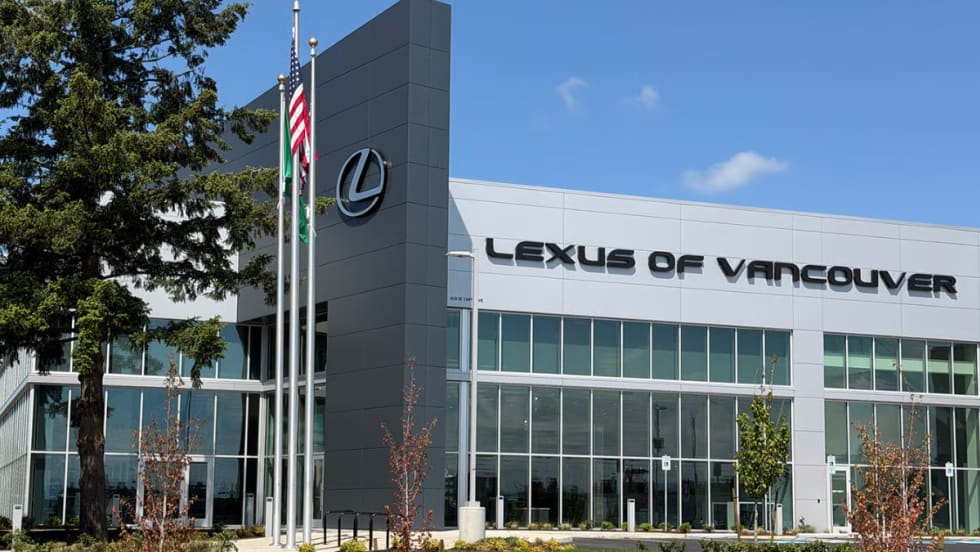
Holman Opens New Lexus Dealership
Located in the heart of Clark County, Lexus of Vancouver features a multi-level showroom, more than 30 service bays, an indoor drive for drop-off and pick-up and a fleet of courtesy vehicles.
Read More →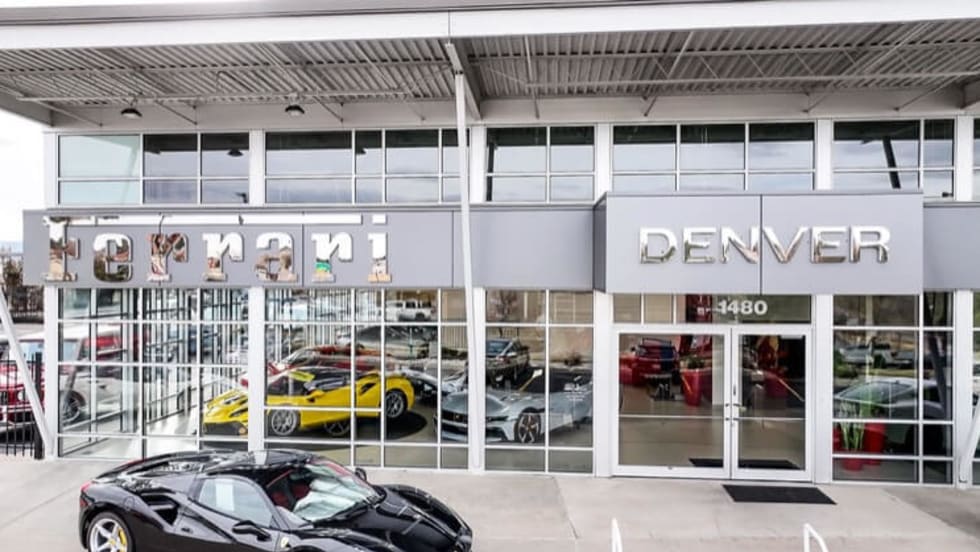
Denver Ferrari Store in New Group
The recent sale of the dealership by Lithia adds to an expanding stable for a family-owned collection of franchises.
Read More →
Nissan Reports Significant Sales Growth
Following the release of Nissan’s 2025 fiscal year report, the automaker announced that its retail-first approach has led to a significant jump in dealer sales.
Read More →
Dealer Debrief: Effective Safety Features
In this week's debrief, host Lauren Lawrence covers a positive safety study from GM and the University of Michigan Transportation Research Institute and a business acquisition by Cox Automotive.
Read More →
Recalled Autos Spike in Q1
The volume of affected units continued to rise as more software-focused models present different types of problems, creating complex risk, Sedgwick reports.
Read More →
Program Brings Wheels to Families in Need
NADA is taking Vehicles for Change’s Keys to Independence Program national so auto dealers can help families in need gain access to reliable transportation.
Read More →
EFG Aims to Help Dealers Face Rising Reinsurance Volatility
Rising claims severity, higher repair costs and delayed reserve adjustments are putting new pressure on auto dealerships' reinsurance programs.
Read More →
Hybrids in Focus
Another automaker announces plans to dedicate more resources in the U.S. to the now popular power train as it also looks to minimize trade tariff costs.
Read More →
IIHS Adds to Safety Rankings
A midsize Hyundai and a small Toyota have joined the nonprofit's 2026 Top Safety Pick+ award rankings, thanks to improved crash test results and crash-prevention measures.
Read More →
Dealer Debrief: FTC and Pricing
In this week's debrief, host Lauren Lawrence covers long loan terms, the FTC's crackdown on pricing, and disaster prep for dealerships.
Read More →