



FTC: Sunday Auto Sales Ban Harms Competition
The Federal trade Commission issued a letter last week in support of legislation that would overturn Illinois’ long-standing ban on Sunday car sales. Dealers in the state, however, remain steadfastly opposed to the bill.

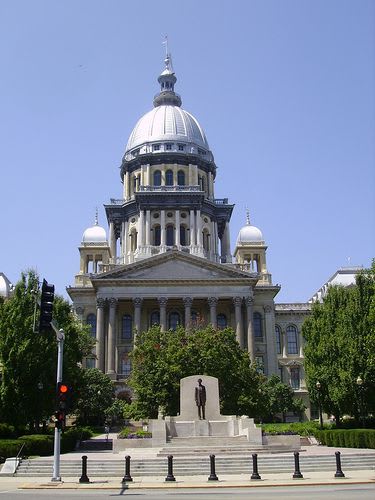
SPRINGFIELD, Ill. — At the request of Sen. Jim Oberweis (R-Sugar Grove), the Federal Trade Commission issued a letter last week in support of legislation that would overturn the state’s ban on Sunday auto sales. The bill is being opposed by the state’s dealer association.
Senate Bill 2629, which was introduced by Oberweis earlier this year, would repeal certain provisions of the Illinois Vehicle Code that prohibits the sale or lease of new and used vehicles on Sunday. The FTC praised the bill, noting that it believes “that repeal of these mandatory Sunday closing provisions will likely be procompetitive and beneficial to consumers.”
Under current law, which has been in place since 1983, dealers who open their doors on Sundays could face a $1,500 fine.
“The existing code provisions effectively ban the sale or long-term lease of both new and used automobiles (except private sales) on Sunday throughout Illinois,” the FTC’s letter read, in part. “They therefore eliminate the possibility of competition among dealers to determine the hours of operation on Sunday that might be most responsive to consumer preferences and most beneficial to automobile dealers.”
The anticompetitive effects of the Sunday sales ban, the FTC noted, are impeded and more costly comparison shopping, a market that is unresponsive to consumer preferences for hours of operation, and diminished competition among dealers for both automobile sales and related services, such as vehicle repairs and parts sales.
“Collectively, these effects may lead to higher prices and reduced output for sales of new and used automobiles and related automobile services than would otherwise be the case,” the letter stated.
However, the Illinois Automobile Dealers Association (IADA) has made clear its opposition to the bill. Joe McMahon, the IADA’s director of government affairs, told F&I and Showroom that the FTC’s arguments don’t hold water.
“We thought [the FTC’s letter] was kind of ludicrous, actually,” McMahon said. “They are saying that the search costs [to shop for a vehicle] are going up. Well, if they're living in the same world that I am, most people go on the Internet to purchase a new car. All franchised dealers have websites that are open 24 hours a day, seven days a week.”
In January, the association released a fact sheet outlining its argument against the legislation. Among the points listed, the association stated that it’s best for dealerships to complete transactions when financial institutions are open. The group also noted that dealership employees benefit from having the day off.
“The guy who sponsored the bill, Sen. Jim Oberweis, he's running for U.S. Senate, so I don't know if he's looking for issues or what,” McMahon said. “But he's saying that the individual dealers should make their own decisions with regards to whether they want to be open or not. And as an industry, we're not pushing for this bill. We like the way the law is currently right now.”
In its letter, the FTC said that while the association’s arguments may explain why individual dealers might choose not to be open on Sunday, “they are not arguments for why a total ban imposed by the state on all Sunday sales benefits consumers.”
McMahon wasn’t surprised by the agency’s response. “They've opposed a lot of stuff related to dealerships over the years. We just don't think their facts are right.”
Originally posted on F&I and Showroom
More Dealer Ops

Ladies and Gentlemen, This Is a Dealership: Why the Fundamentals Still Decide Who Wins
A teaching moment by a legendary football coach happens to apply perfectly in the auto retail space. Learn what it is and how to use it to your store’s advantage.
Read More →
Timing the Market Can Hurt Long-Term Program Performance
For dealer-owned reinsurance entities, avoiding volatility entirely can mean falling behind inflation and missing market rebounds that drive long term surplus growth. Missing just a handful of strong market days can materially impact cumulative returns—an important reminder for long horizon trust and investment strategies.
Read More →
Dealer Ads and the FTC
The agency has made it clear in recent enforcement actions and warnings, in auto retail and other industries, that advertised prices must include all nonoptional costs to the consumer.
Read More →
Used Autos Supply Dwindles
The March shopping surge, despite high prices, cut into inventory by the most since the thick of the pandemic, Cox Automotive analysts calculated.
Read More →
Managing Risk Effectively Through Changing Times
The variables influencing risk pricing have changed significantly over the past five years. Being proactive and responsive to emerging trends is not optional but essential.
Read More →
Survey Reveals What Won't Fix What's Breaking Car Sales
AutoPayPlus says extra-long auto loans are trapping consumers and threatening the dealer trade-in cycle, and that the industry is leveraging the wrong tools to combat high MSRPs.
Read More →
IA American Appoints Two Execs
Senior vice presidents of the company's agent and dealer channels chosen to support general agents and help auto dealers with sales and performance.
Read More →
Cox Automotive Acquires Inspection Firm
Full ownership of Alliance Inspection Management, or AiM, meant to unlock growth for Manheim inspection capabilities
Read More →
Assurant Expands Partnership With Holman
Extended collaboration delivers training, products and performance development to 30 newly acquired Holman dealerships
Read More →
Franchises, Throughput Down in First Half
A handful of states see franchise growth through June, while EV sales per store boost overall business in U.S.
Read More →