



Final Fuel-Economy Rule Sets Lower Bar
Automakers must now achieve less-ambitious average for passenger cars, light trucks.

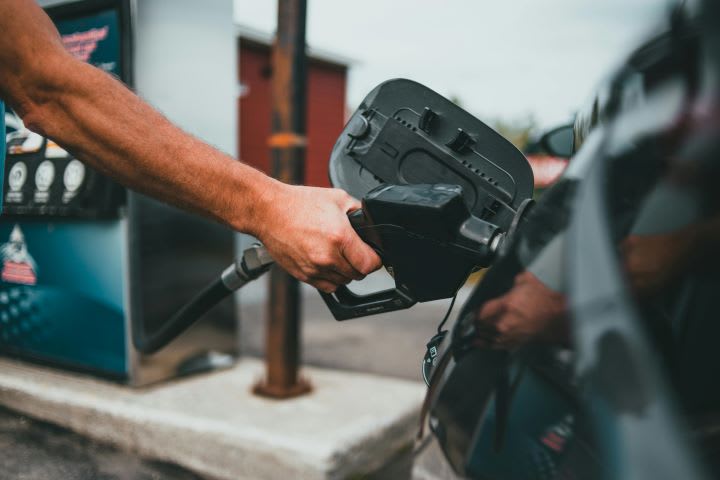
The new targets stand in stark contrast to the 13 miles per gallon the average U.S. vehicle got when Congress introduced fuel-economy standards in the 1970s.
Pexels/Erik McIean
The Biden administration finalized updated fuel-economy standards that are looser than proposed last year so that automakers can now achieve a lower bar over the next decade on new models’ fuel consumption.
Instead of an average fuel economy of about 58 miles per gallon for their fleets, companies must now achieve about a 54 miles per gallon threshold by 2032.
The bar-raising comes after demand for purely electric vehicles flattened in the U.S. following early adoption, failing to meet automakers’ ambitious estimates.
The new targets stand in stark contrast to the 13 miles per gallon that the average U.S. vehicle got when Congress introduced fuel-economy standards in the 1970s, the Department of Transportation said.
The final updated rule requires passenger cars’ fuel economy to increase 2% per year for model years 2027 to 2031 and light trucks’ to increase by the same measure for model years 2029 to 2031. The department said the gradual change will save owners more than $600 in fuel costs over their vehicles’ lifetimes and nealrly 70 billion gallons of gas by 2050.
“Not only will these new standards save Americans money at the pump every time they fill up, they will also decrease harmful pollution and make America less reliant on foreign oil,” U.S. Transportation Secretary Pete Buttigieg said in a press release.
The new rule complements a similarly scaled-back Environmental Protection Agency regulation of tailpipe emissions. Automakers can comply with the new standards with a mix of power train technologies, including hybrids and alternative-fuel vehicles.
LEARN MORE: EV Consideration Falls Further
More Industry
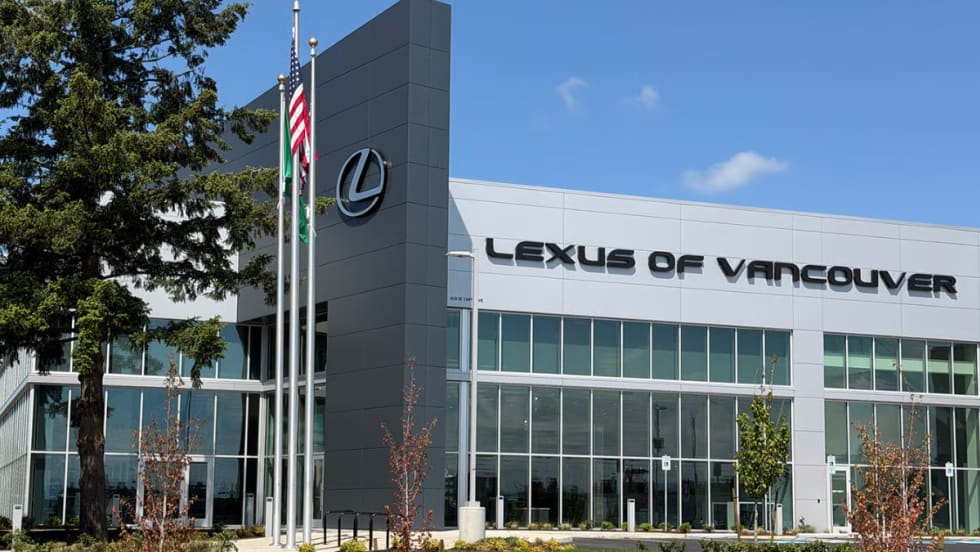
Holman Opens New Lexus Dealership
Located in the heart of Clark County, Lexus of Vancouver features a multi-level showroom, more than 30 service bays, an indoor drive for drop-off and pick-up and a fleet of courtesy vehicles.
Read More →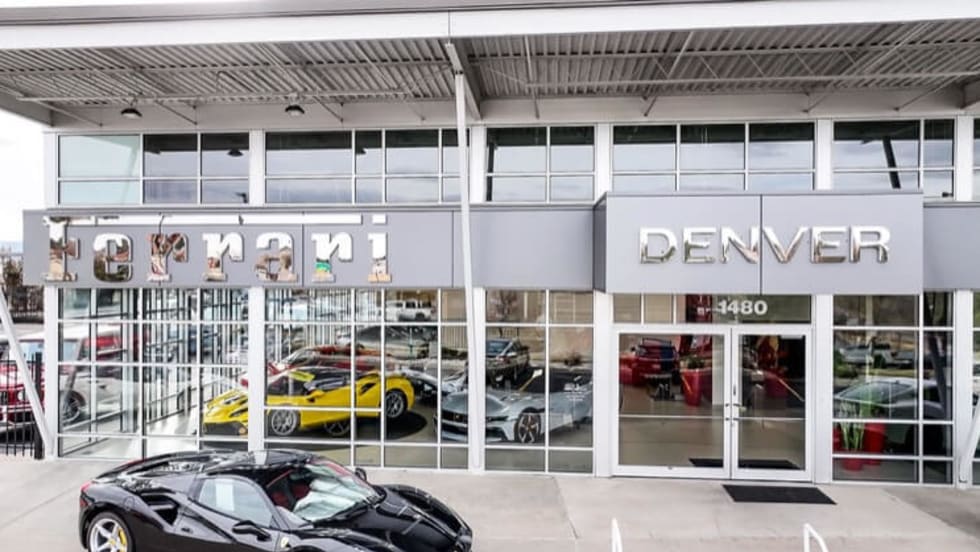
Denver Ferrari Store in New Group
The recent sale of the dealership by Lithia adds to an expanding stable for a family-owned collection of franchises.
Read More →
Nissan Reports Significant Sales Growth
Following the release of Nissan’s 2025 fiscal year report, the automaker announced that its retail-first approach has led to a significant jump in dealer sales.
Read More →
Dealer Debrief: Effective Safety Features
In this week's debrief, host Lauren Lawrence covers a positive safety study from GM and the University of Michigan Transportation Research Institute and a business acquisition by Cox Automotive.
Read More →
Recalled Autos Spike in Q1
The volume of affected units continued to rise as more software-focused models present different types of problems, creating complex risk, Sedgwick reports.
Read More →
Program Brings Wheels to Families in Need
NADA is taking Vehicles for Change’s Keys to Independence Program national so auto dealers can help families in need gain access to reliable transportation.
Read More →
EFG Aims to Help Dealers Face Rising Reinsurance Volatility
Rising claims severity, higher repair costs and delayed reserve adjustments are putting new pressure on auto dealerships' reinsurance programs.
Read More →
Hybrids in Focus
Another automaker announces plans to dedicate more resources in the U.S. to the now popular power train as it also looks to minimize trade tariff costs.
Read More →
IIHS Adds to Safety Rankings
A midsize Hyundai and a small Toyota have joined the nonprofit's 2026 Top Safety Pick+ award rankings, thanks to improved crash test results and crash-prevention measures.
Read More →
Dealer Debrief: FTC and Pricing
In this week's debrief, host Lauren Lawrence covers long loan terms, the FTC's crackdown on pricing, and disaster prep for dealerships.
Read More →