



Black Book, Fitch Predict Vehicle Depreciation Will Reach 15% in 2016
In a joint report issued this week, the two firms said increased supply and incentives will drive higher depreciation in 2016. Auto ABS performance will face pressure, but no material concerns, the firms say.
LAWRENCEVILLE, Ga. — Overall vehicle depreciation for two- to six-year-old vehicle should reach 15% this year from last year’s 13.2% level, according to a joint report from Black Book and Fitch Ratings.
The firms’ projection would also mark the first time in the previous five years that annual depreciation crests above 14%. Despite this rate still remaining below average pre-recession levels, Fitch and Black Book believe this increase will be driven by several factors.
Black Book forecasts new-car sales to grow slightly to 17.6 million units in 2016. This level of sales activity, which brings a high volume of trade activity, coupled with a large amount of lease returns, will contribute to the continued increase in depreciation rates.
Fitch expects U.S. prime and subprime auto loan and lease ABS performance to be stable and within historical loss levels, although annualized net losses (ANL) will creep up in conjunction with marginally higher vehicle depreciation in 2016, as predicted by Black Book.
“The strength in last year’s performance was largely driven by truck segments,” the firms noted. “The truck segments as a whole experienced half the depreciation rate of the car segments, with annual depreciation of trucks at 9.2% and cars at 18.2%.”
The variability in depreciation across the segments increased during 2015. Among the trucks, the depreciation ranged from 2% to 23% across the segments, while depreciation rates for the car segments ranged from 14% to 22%.
“Given the spread and volatility across various segments, it becomes important for a lender to have a diversified portfolio,” the firm noted. “Portfolios concentrated in smaller segments experienced the steepest decline in equity. With longer terms and softening used-vehicle values, portfolio equity will experience higher risk as it would take longer for a loan to enter into a positive equity position.”
Pressure on residual performance will trend higher in 2016, according to the firms, due to expectations of elevated new-vehicle sales, and higher fleet and rental volumes entering the secondary market during the year. Despite this, Fitch said it believes auto loan and lease ABS ratings performance will not be impacted by the negative asset performance trends in 2016.
The agency has a positive rating outlook for loan ABS in 2016, with the pace of upgrades expected to continue and be consistent with 2015, albeit at a slightly slower pace. The outlook for auto lease ABS asset performance is stable in 2016 given pressure on residual values, but no impacted is expected on ratings which also have a stable outlook.
“The focus in 2016 will be in the depreciation disparity between car and truck segments, which showed a widening spread toward the end of last year,” said Anil Goyal, senior vice president of automotive valuation and analytics for Black Book. “We expect this spread to remain, however there is growing belief that cars are nearing their floor in terms of depreciation changes.”
Hylton Heard, senior director of Fitch Ratings, added: “All eyes will remain on the health of the economy and state of the wholesale vehicle market this year. Additionally, rising off-lease returns will result in overall higher used vehicle volumes hitting the market and will pressure auto lease residual performance in 2016.”
To download the Black Book-Fitch Vehicle Depreciation Report, click here.
Originally posted on F&I and Showroom
More Dealer Ops

Ladies and Gentlemen, This Is a Dealership: Why the Fundamentals Still Decide Who Wins
A teaching moment by a legendary football coach happens to apply perfectly in the auto retail space. Learn what it is and how to use it to your store’s advantage.
Read More →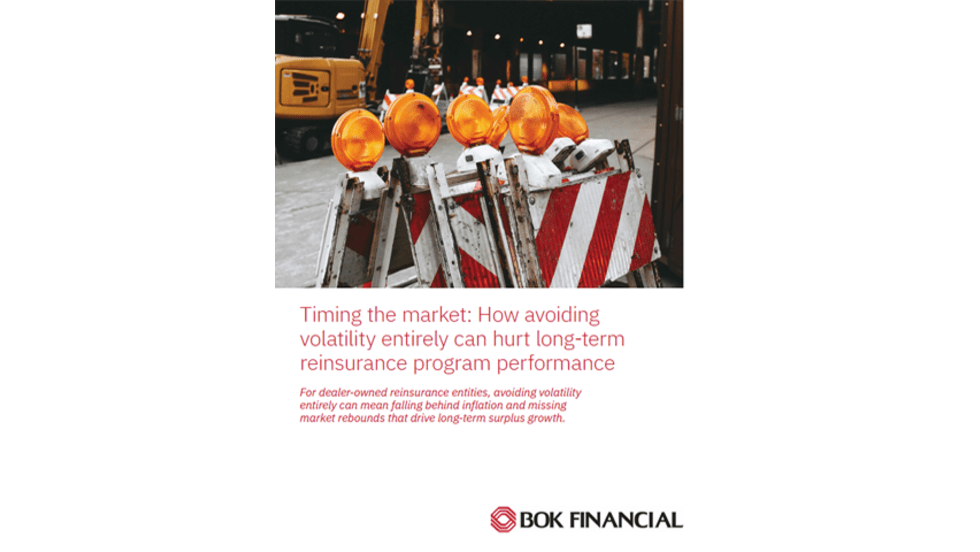
Timing the Market Can Hurt Long-Term Program Performance
For dealer-owned reinsurance entities, avoiding volatility entirely can mean falling behind inflation and missing market rebounds that drive long term surplus growth. Missing just a handful of strong market days can materially impact cumulative returns—an important reminder for long horizon trust and investment strategies.
Read More →
Dealer Ads and the FTC
The agency has made it clear in recent enforcement actions and warnings, in auto retail and other industries, that advertised prices must include all nonoptional costs to the consumer.
Read More →
Used Autos Supply Dwindles
The March shopping surge, despite high prices, cut into inventory by the most since the thick of the pandemic, Cox Automotive analysts calculated.
Read More →
Managing Risk Effectively Through Changing Times
The variables influencing risk pricing have changed significantly over the past five years. Being proactive and responsive to emerging trends is not optional but essential.
Read More →
Survey Reveals What Won't Fix What's Breaking Car Sales
AutoPayPlus says extra-long auto loans are trapping consumers and threatening the dealer trade-in cycle, and that the industry is leveraging the wrong tools to combat high MSRPs.
Read More →
IA American Appoints Two Execs
Senior vice presidents of the company's agent and dealer channels chosen to support general agents and help auto dealers with sales and performance.
Read More →
Cox Automotive Acquires Inspection Firm
Full ownership of Alliance Inspection Management, or AiM, meant to unlock growth for Manheim inspection capabilities
Read More →
Assurant Expands Partnership With Holman
Extended collaboration delivers training, products and performance development to 30 newly acquired Holman dealerships
Read More →
Franchises, Throughput Down in First Half
A handful of states see franchise growth through June, while EV sales per store boost overall business in U.S.
Read More →