



Deterring Dealership Crime with Remote Video Surveillance
Keeping your vehicle inventory safe from thieves, vandals, and other criminals is critical, but not all security strategies are equally successful.
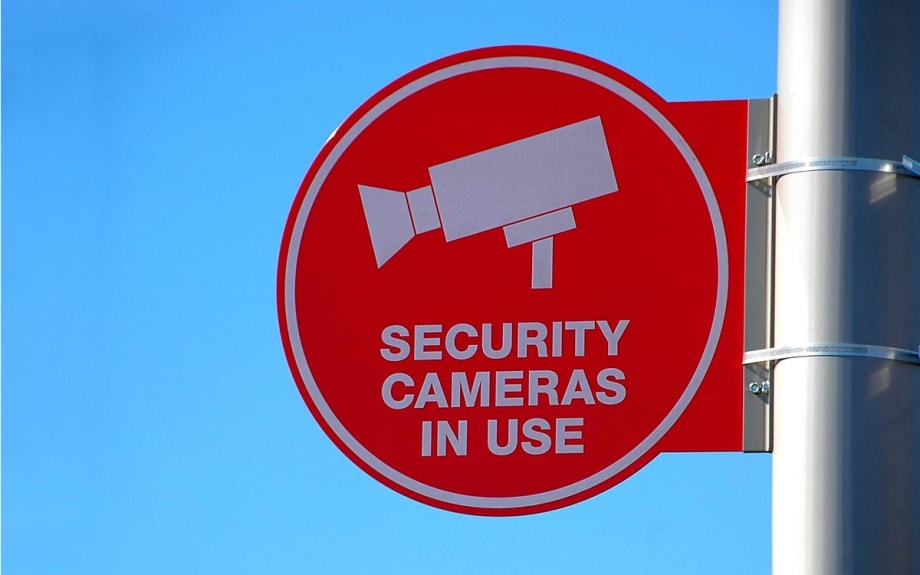
Keeping your vehicle inventory safe from thieves, vandals, and other criminals is critical, but not all security strategies are equally successful.
Auto dealerships continue to be an attractive target for criminals. Not only do they house millions of dollars of inventory, most of their high-value assets are located outside – making them very easy to access.
Keeping your vehicle inventory safe from thieves, vandals, and other criminals is critical, but not all security strategies are equally successful.
The cost of crime on auto dealerships adds up quickly. According to the FBI, the average dollar loss per motor vehicle theft is $8,407. This number goes up astronomically, however, when you remove street crime statistics and focus exclusively on dealerships. Dealerships not only have to factor vehicles and parts into their losses; they also have to consider the costs associated with repairing property damage inflicted during the crime (broken fencing, smashed windows and doors, vandalized vehicles, etc.), as well as indirect costs, such as insurance premium hikes, attorney fees, lost productivity, and even damaged reputation.
Keeping your vehicle inventory safe from thieves, vandals, and other criminals is critical, but not all security strategies are equally successful.
Move from Passive to Active Security
Some dealers opt to use some combination of fences, alarms, and basic “record-and-store” video surveillance as their security solution. While these approaches can certainly serve as a first line of defense, they are passive systems with inherent limitations. Fences can be easily breached, alarms can be circumvented, and simple security cameras only provide after-the-fact evidence.
To add a proactive security component, some dealerships will invest in security guards. But this is the most expensive approach to security, and guards bring their own set of limitations (fatigue, distraction, absenteeism, etc.).
An efficient and cost-effective way to deter crime is to use a remote video surveillance system. These systems provide 24/7 live monitoring and proven criminal deterrents, such as alarms, sirens, strobe lights, and recorded verbal warnings. With remote video surveillance, auto dealers can move beyond passive security, to a proactive approach based on real-time detection and active deterrence.
Here’s a look at five additional benefits of remote video surveillance systems.
360-Degree Property Surveillance: Remote video surveillance systems can monitor every inch of your property to identify intruders, deter crime, and capture footage of incidents in progress – if they ever get that far.
Virtual Guards: Many remote video surveillance systems offer the services of virtual guards, or a team of live humans that monitor your dealership 24/7. Virtual guards have eyes on your property at all times, take appropriate action whenever a threat is detected, and cost a fraction of what live security guards cost.
Physical Safety: A remote video surveillance system is a safer choice for protecting your business than using live security guards, because it reduces the chances of physical confrontations that could cause harm to perpetrators, guards, or police. This is important from both safety and potential liability perspectives.
Remote Monitoring: With a remote video surveillance service, you have a team monitoring your property on your behalf. But, occasionally, you might want to “check in” on your dealership, too. As the name would suggest, remote video surveillance gives you this capability. You can pull up live or recorded footage with just a few clicks on your smartphone, so you can see site activity from any location, at any time.
Improved Operations: Remote video monitoring also can be used to improve operations. For example, you can see what vehicles and displays are most effective with customers, or evaluate live employee-customer interactions to ensure superior customer service. Most importantly, using a remote video monitoring service to secure your dealership will help you adopt a proactive security strategy based on deterrence. And, with deterrence, you’ll no longer need to worry about the cost of crime.
Jeremy White founded Pro-Vigil in 2006 and helped to pioneer the remote video monitoring industry.
Read: Embrace Behavior, Discard Models: How COVID-19 Changes What Data Your Dealership Needs
More Compliance
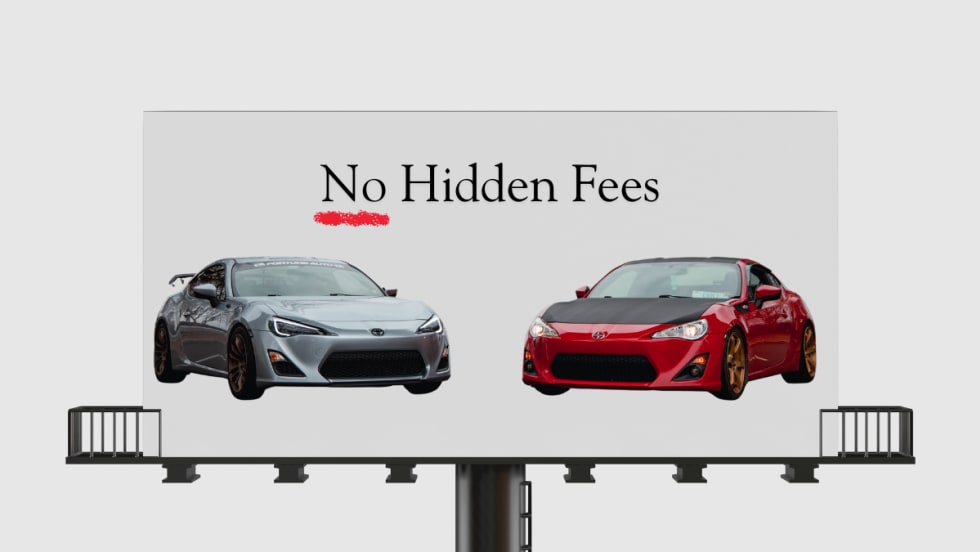
Dealer Ads and the FTC
The agency has made it clear in recent enforcement actions and warnings, in auto retail and other industries, that advertised prices must include all nonoptional costs to the consumer.
Read More →
AAMS Training and Mosaic Compliance Services Merge
The strategic combination is intended to expand technology-driven compliance solutions for the automotive industry.
Read More →
The Jurisprudence of Pricing
Legal concept helps makes sense of California’s recently passed version of the failed federal CARS legislation.
Read More →
Trump 2.0 and Enforcement Priorities
The upshot is don’t relax, because regulation indeed continues.
Read More →
June Is Automotive Service Professionals Month
Observance is opportunity to thank technicians for their crucial role in auto retail.
Read More →
Cox Automotive Releases Compliance Guide
New edition walks auto dealers through relevant regulations for 2025.
Read More →
Trump 2.0 and Retail Automotive
Administration’s plans should generally bode well for the industry.
Read More →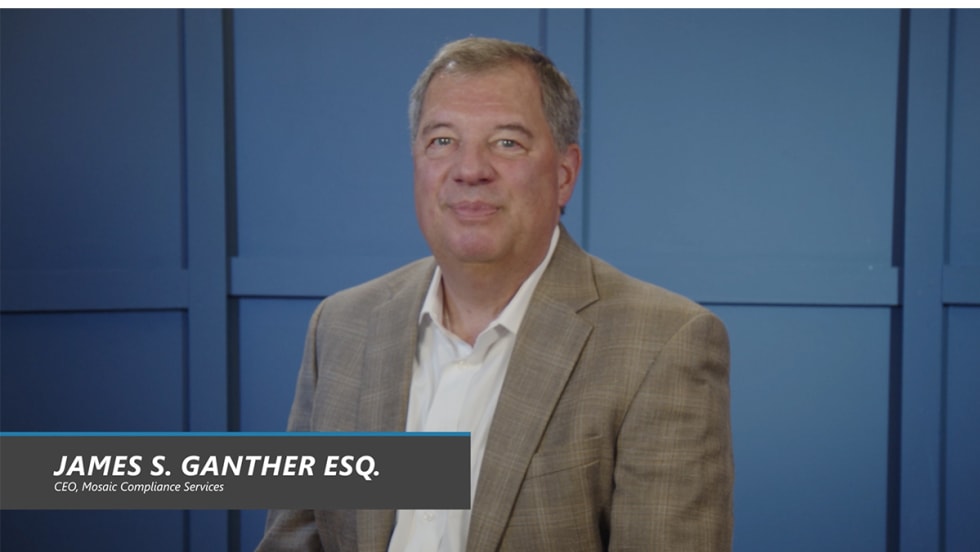
CARS Rule Update: 5th Circuit Oral Arguments Recap
In this video, Jim Ganther of Mosaic Compliance Services, recaps the key takeaways from the oral arguments in the critical CARS Rule case, including potential outcomes and what dealers should do to stay ahead of compliance changes.
Read More →
State of the CARS Rule, Part 3
The players in the automotive industry should coordinate their responses to this pending regulation.
Read More →
The Future of Car Dealer Documents
Where forms, documents, agreements and contracts could be in 50 years.
Read More →